With critical midterm elections just over a week away, campaigns are intensifying their efforts, deploying highly aggressive advertisements, pointed accusations, and increasingly harsh rhetoric. This surge of negativity is significantly amplified by social media platforms and a heightened public interest, particularly as numerous state races could ultimately determine control of the U.S. Senate.
The current political climate has led to notable shifts, even within party structures. For instance, Shannon O’Brien, who chaired the Montana Democratic Party, recently resigned, highlighting the extreme sensitivity surrounding national political contests. In an essay, she articulated that the party faces deep divisions, not over core values, but due to the fierce competition for the U.S. Senate, underscoring that the victor in this race will likely play a role in Supreme Court nominations. O'Brien also raised “real questions” regarding the Democratic candidate’s stance on significant issues such as abortion access and poverty alleviation.
In Virginia, Democratic State Senator L. Louise Lucas has been indicted on federal charges, including racketeering conspiracy and money laundering conspiracy, stemming from her co-ownership of a cannabis enterprise. While the investigation predates the previous presidential administration, Senator Lucas has vowed to contest the charges, stating, “I grew up under Jim Crow. I’ve seen what happens when people in power try to silence those who stand up to them.”
Escalating Rhetoric and National Influence
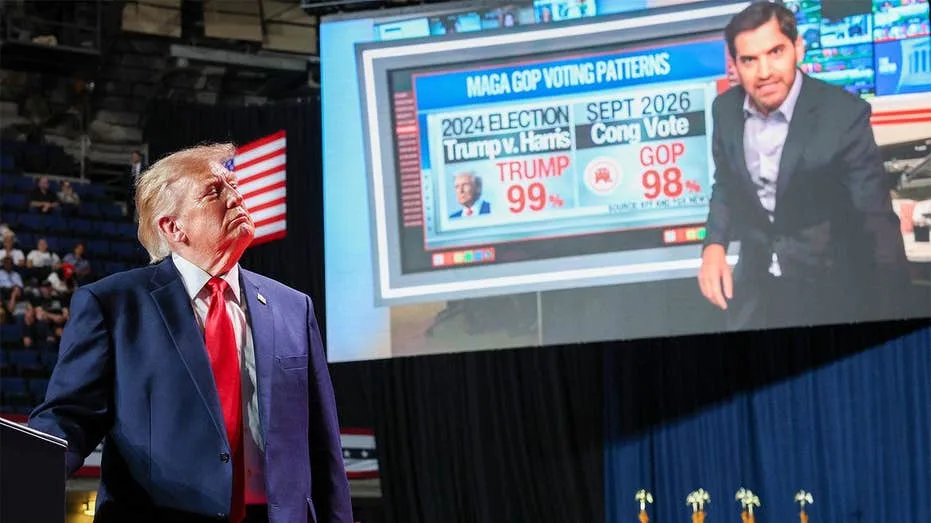
A significant trend observed is the nationalization of local elections. A former president has openly encouraged voters to cast their ballots as if he were personally on the ballot, frequently engaging in robust criticism of Democratic candidates during campaign events. This approach contributes to an atmosphere where national political figures heavily influence regional contests.
Local races are also not immune to intense scrutiny and controversy. In a suburban Des Moines ad, council member Shellie Flockhart appeared, criticizing a Democratic candidate as “just plain dangerous” for children. However, a major national newspaper later reported that Flockhart had previously pleaded guilty to child endangerment charges after driving under the influence with two of her children in the vehicle.
High-profile figures continue to be targets of allegations. A prominent magazine recently published an article containing serious claims against a former presidential son-in-law. This prompted his attorney to notify the publication of potential legal action. The attorney asserted that despite repeated requests, the magazine had failed to provide “a single bank statement, wire transfer record, account number, or other verifiable evidence supporting these extraordinary accusations.” The article, which the individual in question dismissed as “completely insane,” cited a forthcoming book alleging that Russian intelligence services had compromised his phone, revealing $700 million in undisclosed foreign dealings, and that his signature appeared on an account purportedly established by Saudi Arabia and the United Arab Emirates. The timing of these revelations has raised questions about their intent.
Controversial Ads and Disputed Claims
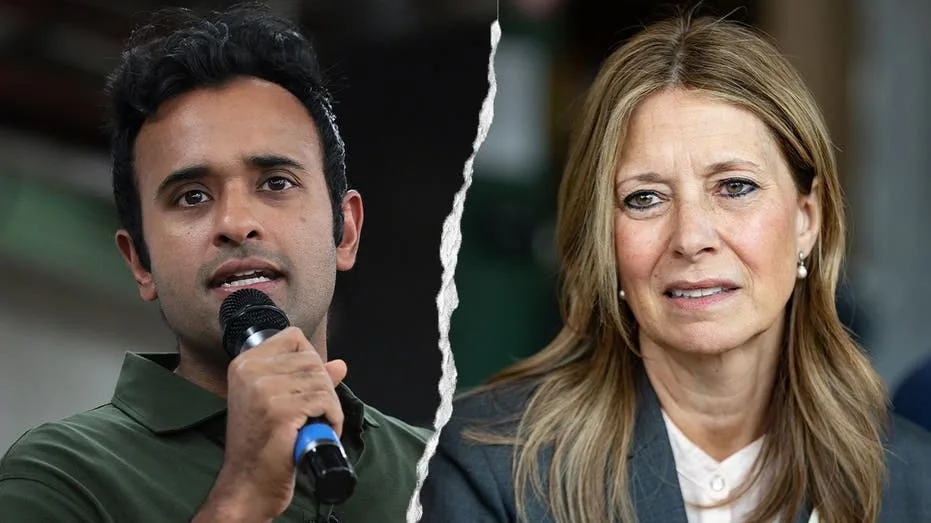
The Ohio governor’s race saw a particularly contentious advertisement from Vivek Ramaswamy, which featured the long-estranged mother of Democratic candidate Amy Acton, who referred to her daughter as a liar. This ad quickly transcended the local context, sparking a national debate about the boundaries of political campaigning. The mother, Donna Arthur, had previously sided with her second husband, Cledith Arthur, despite his indictment for allegedly raping Amy Acton when she was 12 years old. The couple subsequently vanished, and the stepfather was never prosecuted before his death. Acton has maintained no contact with her mother since 1978. Many Republicans, including Ohio Governor Mike DeWine, publicly condemned the ad. However, a former president defended it as legitimate campaign strategy, claiming ignorance of the stepfather’s background and suggesting that Democrats would use similar tactics against him.
In less prominent contests, the level of acrimony continues to escalate. In Texas, Republican Representative Monica De La Cruz has sent numerous emails about her opponent, Bobby Pulido, asserting he is “unfit to serve in Congress.” The emails claim that when Pulido’s bandmate faced a child rape charge, Pulido reportedly approached his uncle, described as a “crooked district attorney,” and the charge, along with three other felony counts, allegedly disappeared. Pulido informed a political news outlet that he was unaware of his former accordionist’s child molestation charges from over a decade ago. He stated, “I’ve apologized for everything that I’ve ever joked about that offended anybody… There’s a lot of tweets in there that I’m embarrassed of. There’s jokes that I’ve told that I apologize for.” Yet, another publication has reported that Pulido has provided “shifting stories and conflicting information surrounding his child molester bandmate.”
The more prominent Texas Senate race between Ken Paxton and James Talarico has also featured controversial tactics. The attorney general’s campaign utilized an AI-generated advertisement asserting that his Democratic opponent “voted for an income tax” and that “Texans can’t afford Talarico’s radical agenda.” Fact-checkers have widely debunked the income tax claim as false. Talarico’s response ad countered, “I don’t have to use AI, because the truth about Ken Paxton is bad enough.”
Voter Fatigue and Future Implications
These examples raise critical questions about how many voters, both in Texas and nationwide, will dedicate the effort to discern the truth amidst a barrage of accusations and counter-accusations. Many may simply disengage from the high-decibel attacks. After years of observing political coverage, particularly fact-checking ads across multiple presidential election cycles, the current environment appears uniquely aggressive and unrestrained. A significant concern for future elections is the potential for widespread voter apathy, leading to diminished participation.