Farmers throughout the United States are exploring new avenues to supplement their income amidst escalating operational costs. One increasingly popular approach involves transforming parts of their properties into vacation rentals, drawing tourists directly to their agricultural settings.
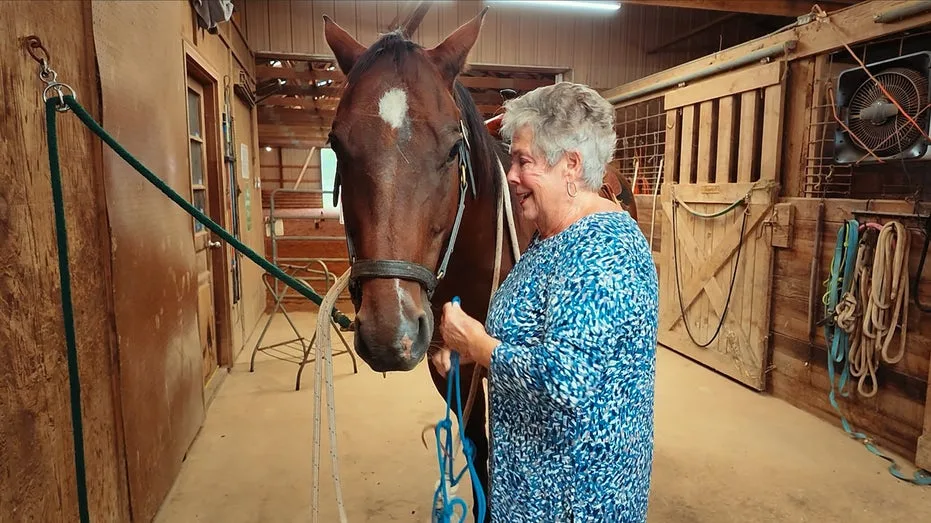
In Missouri, Lynette Ralph operates a horse ranch where visitors can enjoy overnight stays in a cozy cabin, waking up to picturesque views and an authentic glimpse into ranch life. Guests at her property have the opportunity to explore the grounds, interact with and feed the horses, and even opt for additional horsemanship and riding lessons.
"You have access to the farm life, the horses, the barns," Ralph explained.
For Ralph, hosting visitors is more than just providing a unique escape; the revenue generated from these short-term rentals is crucial for the continued operation of her ranch.
"If I didn't have the short-term rentals associated with the riding program, I would have to probably liquidate, sell the horses, sell the property," she shared.
Financial Pressures Drive Diversification
Data from the U.S. Department of Agriculture, highlighted in a report by Airbnb, indicates that households managing intermediate farms—smaller operations where farming is the primary occupation—faced a median loss of approximately $2,800 from their agricultural activities in 2024.
David Haight, Vice President of Programs at American Farmland Trust, a national nonprofit dedicated to preserving agricultural land and supporting farmers, noted that securing alternative income sources can be vital for many farm families navigating financial challenges.
"Many families are looking for ways to diversify income, and so bringing people out to the farm or ranch for some is a way to help bring in other dollars," Haight stated.
Growing Interest in Farm Stays
The demand for farm-based accommodations is on the rise. According to Airbnb, online searches for farm stays surged by 61% during the first half of 2026 compared to the same period in the previous year.
The company also reported that a typical farm stay host earned around $8,000 in 2025, with U.S. farm stay hosts collectively generating nearly $120 million. It's important to note these figures represent hosting earnings before expenses are accounted for.
In Georgia, farm stay proprietor Gilda Lyon credits the income from her existing rental properties with enabling her to construct additional cabins and make significant investments in her farm. This supplementary revenue has facilitated the construction of a greenhouse, allowed her to begin selling herbs, and supported the maintenance of her blueberry plants.
"The extra income actually has allowed me to invest, in many improvements and to expand the opportunities available for guests," Lyon remarked.
Support for Agritourism Development
In a move to further support this growing trend, Airbnb and American Farmland Trust have launched the new "Farm to Stay" Grant Program. This initiative will award approximately 25 to 30 grants, each up to $10,000, with applications scheduled to open in November.
Haight explained that while these grants may not cover every expense associated with welcoming visitors, they can significantly assist farmers in various ways. This could include renovating barns for hosting events, installing necessary fencing, or preparing accommodations for overnight guests.
The benefits of agritourism can also extend beyond individual farms. Haight suggested that visitors often spend money at local restaurants, shops, and other businesses, thereby injecting additional tourism revenue into rural communities.
For Lynette Ralph, hosting guests has allowed her to continue pursuing her passion for horses and preserving the property she cherishes.
"The short-term rental has totally facilitated my being able to stay here and do the things that I love," she concluded.