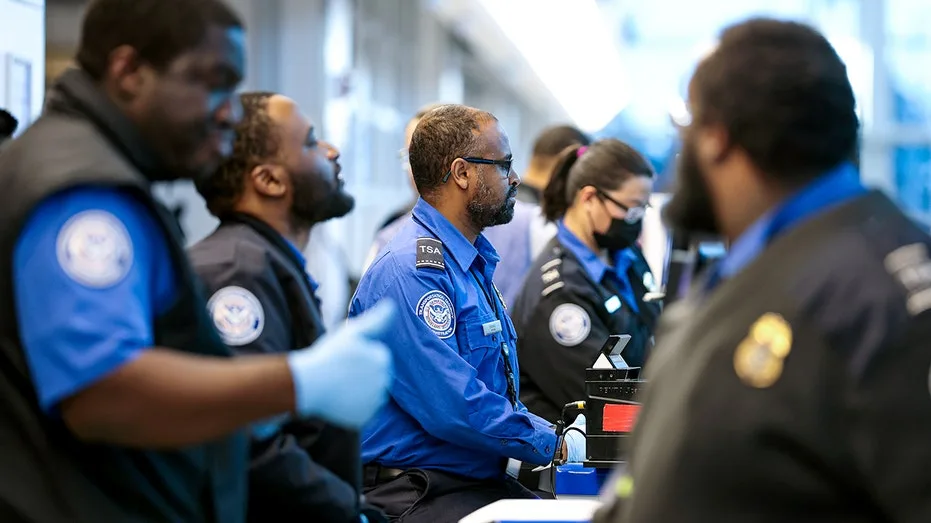
Travelers passing through airport security checkpoints will likely observe a change in the posture of Transportation Security Administration (TSA) officers responsible for verifying identification. The agency has issued a new directive requiring these officers to remain standing while performing their duties.
The TSA asserts that this updated protocol is designed to bolster security measures and cultivate a more welcoming atmosphere for passengers. However, the labor union representing these officers has voiced strong objections, contending that the policy could adversely affect both officer comfort and operational safety.
TSA Justification and New Leadership Initiative
In a statement released to various media outlets, the agency articulated its position, stating, "This welcome change reinforces both our security posture and our commitment to hospitality by having these officers on their feet and alert." The TSA also emphasized that "All officers must meet fitness for duty requirements to be capable of performing their vital national security function."
This policy shift comes approximately two months after David Cummins assumed the role of TSA Administrator. Under his leadership, an initiative aimed at enhancing the overall passenger experience at airports has been launched.
Union Raises Ergonomic and Consultation Concerns
The American Federation of Government Employees (AFGE) TSA Council 100, which represents TSA officers nationwide, has publicly criticized the new directive. The union claims it was not consulted before the policy was rolled out across most airports staffed by TSA personnel throughout the United States.
The union has reportedly argued that the chairs previously provided essential ergonomic support and safety for officers who endure prolonged periods of standing and walking on unforgiving hard floor surfaces. They have indicated plans to formally challenge the implementation of this change.
It is important to note that not all U.S. airports utilize TSA officers for security screening. Approximately 20 airports, including prominent hubs like San Francisco International Airport and Kansas City International Airport, participate in the TSA's Screening Partnership Program, employing private security contractors instead.
Expert Weighs In on Officer Well-being
Daniel Bubb, Ph.D., a professor specializing in commercial aviation at the University of Nevada, Las Vegas, shared his perspective on the potential impact of the new policy. "The hard floors they are standing on do not offer any support, which can cause foot and back issues," Bubb stated.
Dr. Bubb, who has prior experience as an airline customer service representative and performed airport security functions, suggested that providing anti-fatigue mats could significantly alleviate the strain officers experience from standing on hard airport surfaces for extended periods.
Policy Scope and Passenger Perspective
Reports clarify that the standing requirement specifically applies to officers assigned to verify passenger identification prior to the security screening process. Officers operating X-ray scanners for carry-on luggage are permitted to continue performing their duties while seated.
Typically, TSA officers rotate through various checkpoint assignments during their eight-hour shifts, according to a spokesperson for the agency who spoke to The New York Times.
From a traveler's standpoint, a commentator named Leff remarked on the change, stating, "As a passenger, I don’t care whether the person checking my ID is sitting." He emphasized that the key factors are officers paying attention, treating passengers respectfully, and ensuring efficient line movement. He concluded, "I’m not sure a stool is a problem."