Massachusetts City's St. Michael and St. Florian Statues Spark Church-State Legal Battle, Could Reach Supreme Court
A contentious legal dispute over the installation of religious statues outside Quincy, Massachusetts's public safety headquarters is escalating, with attorneys on both sides suggesting the case could set a national precedent.
Media·
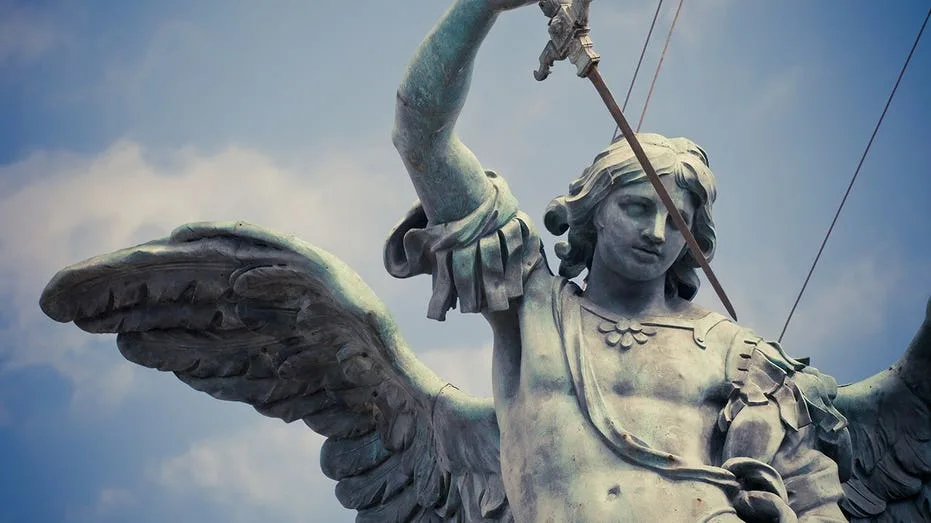
A legal confrontation concerning the proposed placement of statues depicting St. Michael the Archangel and St. Florian outside the public safety headquarters in a Massachusetts city could ultimately be decided by the U.S. Supreme Court. Legal representatives for both sides contend that the outcome of this case has the potential to significantly influence future policies regarding religious symbols on government land.
According to one perspective supporting the city's plan, "We do not conceal magnificent civic artwork simply because it might evoke religious thoughts, and nothing in Massachusetts law dictates otherwise. Quincy is fully entitled to honor its first responders with emblems that have motivated courage and self-sacrifice for generations."
The Genesis of the Controversy
The controversy first emerged after a local newspaper reported on Quincy's intention to install two 10-foot bronze statues of St. Michael the Archangel and St. Florian at its new public safety complex. These substantial bronze figures, custom-made by a sculptor in Italy, were selected by Quincy Mayor Thomas Koch. St. Michael is widely recognized as the patron saint of police officers, while St. Florian is revered as the patron saint of firefighters.
Court documents indicate that Mayor Koch clarified his decision, stating that the statues were not chosen to promote religion. Instead, his aim was to "honor, inspire, and encourage our First Responders," as well as to "boost morale" and "ensure [first responders’] lifesaving work would remain maximally effective."
However, critics quickly voiced their concerns, highlighting that the plan for these statues had not been publicly disclosed during the building's approval process. They also raised serious questions about the constitutional implications of placing such overtly religious imagery on public property.
The Legal Challenge Unfolds
The legal proceedings commenced in May 2025, when a coalition of Quincy residents and taxpayers, representing various faith groups, filed a lawsuit against the City of Quincy and Mayor Koch in Norfolk Superior Court. Their central argument was that the planned installation of the statues violated the Massachusetts Constitution's explicit protections for religious neutrality.
The plaintiffs are being represented by a joint legal team comprising the ACLU of Massachusetts, the national ACLU, Americans United for Separation of Church and State, the Freedom From Religion Foundation, and Cloherty & Steinberg LLP.
In their legal brief, the ACLU of Massachusetts asserted:
The statues, whose imagery is drawn directly from Catholic iconography, lack a predominantly secular purpose. The primary effect of permanently installing two new, oversized, overtly religious statues as the sole adornments on the City’s public safety building is to advance religion.
Conversely, a brief submitted on behalf of the National Fraternal Order of Police and the Massachusetts Fraternal Order of Police argued that St. Michael's significance extends beyond Christian faiths, being revered by individuals of various religious backgrounds.
First responders of all stripes, religious creeds, and political affiliations — and not just Catholics or Christians — cherish both saints for their symbolic importance to the profession.
A representative for the plaintiffs further emphasized the long-standing legal framework in Massachusetts:
The Massachusetts Supreme Judicial Court established the legal test to analyze Art. 3 claims nearly 50 years ago, and for good reason, that test remains good law. Under that test, installing these statues as the sole adornment on a government building, especially one intended to provide essential services to all residents, violates our state constitution.
Related Stories
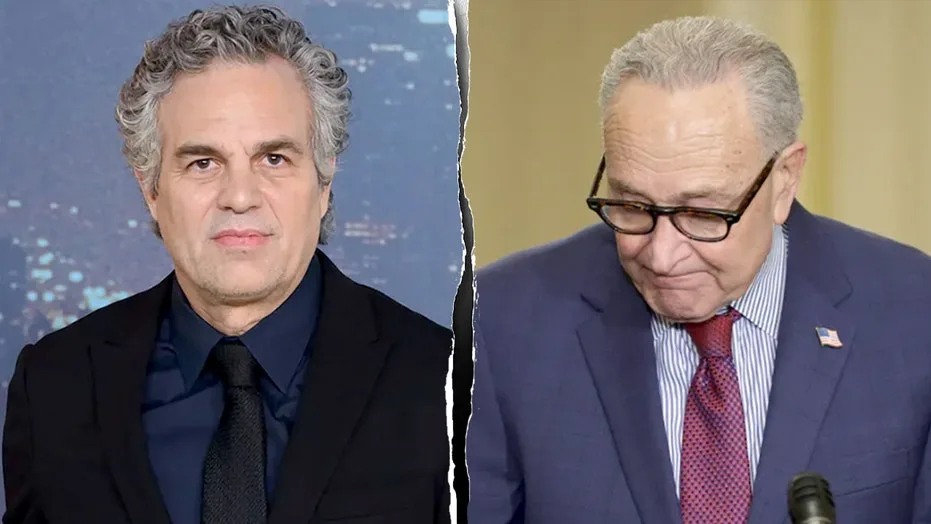
Mark Ruffalo Advocates for Schumer's Ouster, Citing "Entrenched Religious Beliefs and Loyalties"
Actor Mark Ruffalo has publicly called for Senator Chuck Schumer's replacement as Senate Majority Leader, citing "entrenched religious beliefs and loyalties." Advocating for Senator Chris Van Hollen, Ruffalo's remarks
Nov 23
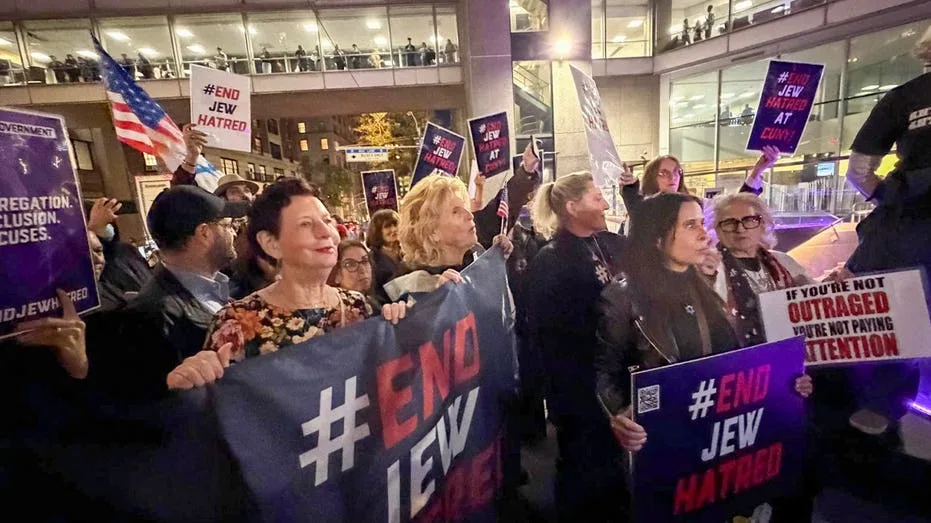
Protests Erupt at Hunter College Following Cancellation of Multicultural Event Over Jewish Group's Participation
Demonstrators gathered at Hunter College to protest the cancellation of a multicultural event, which organizers allege was due to a Jewish student organization's involvement. The incident has ignited debate over
Nov 21

Rob Lowe Reveals He Prayed for Charlie Sheen for Years During Candid Podcast Discussion
During a recent podcast appearance, Charlie Sheen expressed remorse to Rob Lowe for past unkind social media posts. Lowe, in turn, shared a surprising revelation: he had been praying for Sheen's recovery for decades, a
Nov 21
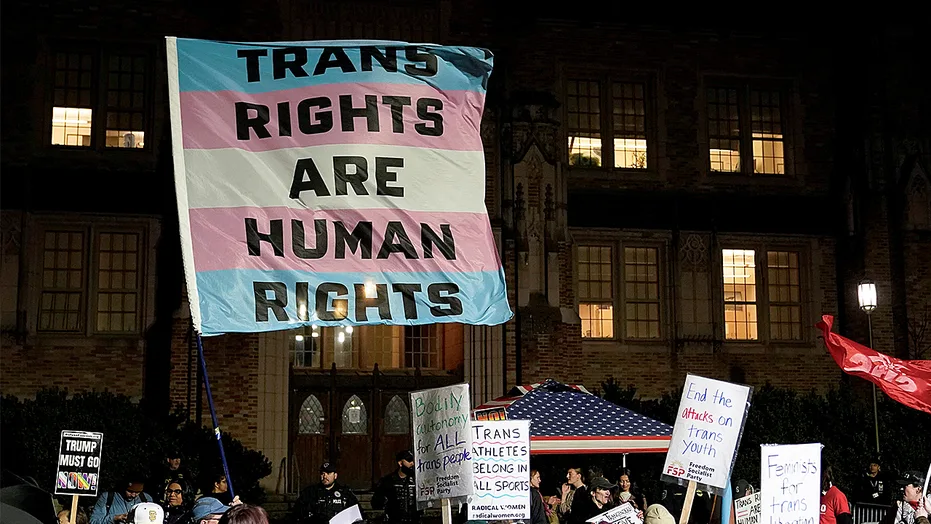
Protesters Chant 'Charlie Kirk Deserved to Die' Outside TPUSA Event at University of Washington
Masked protesters at the University of Washington chanted controversial slogans targeting Charlie Kirk and displayed signs against TPUSA and speaker Chloe Cole. The demonstration occurred outside a campus event focused
Nov 20