Oregon Gubernatorial Race Tightens as Republican Challenger Narrows Gap in Traditionally Blue State
A competitive political landscape is emerging in Oregon, with local concerns fueling a Republican challenger's bid to break a decades-long Democratic streak in the governor's office.
Politics·
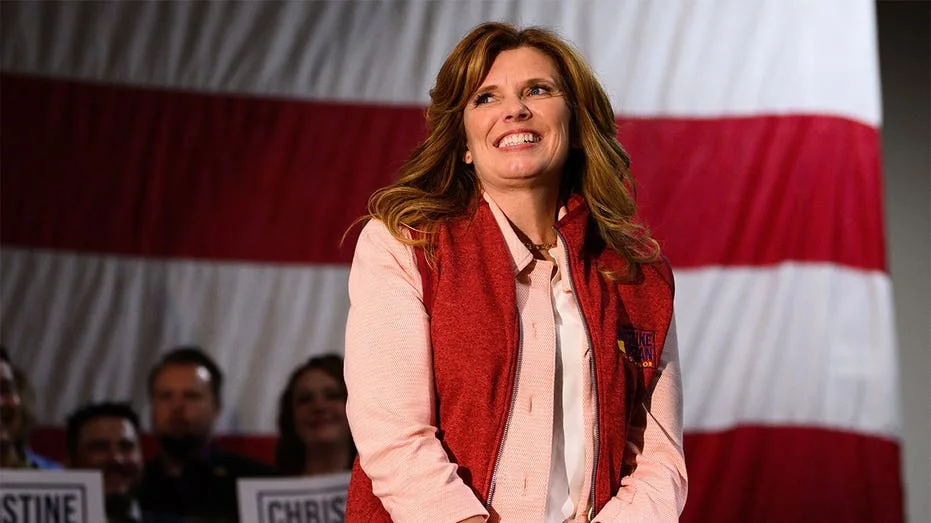
The political outlook for Oregon's gubernatorial election has notably shifted, moving from a likely Democratic victory to a lean Democratic advantage. This change reflects a more competitive political environment within the state, where significant public concerns regarding homelessness, housing affordability, taxation, educational challenges, and the overall cost of living have created an opportunity for the Republican Party. Should the Republican challenger succeed, it would mark the end of a more than four-decade period without a Republican governor in Oregon.
This tightening race is occurring despite broader national political challenges for Republicans, including elevated prices for fuel and diesel, as well as general national political headwinds. Historically, Oregon has leaned Democratic in federal elections; for instance, then-Vice President Kamala Harris secured the state by 14 points in the 2024 presidential election, and Democratic Senator Ron Wyden won his 2022 re-election by a 15-point margin.
A Close Rematch on the Horizon
Despite these strong Democratic performances in federal contests, gubernatorial elections in Oregon have often been much closer affairs. The current race is shaping up as a rematch between the incumbent, Governor Tina Kotek, and Republican challenger Christine Drazan. In their previous encounter in 2022, Drazan, who formerly served as the Republican leader in the Oregon House, was defeated by Governor Kotek by less than four percentage points.
Current public opinion surveys indicate that the upcoming Kotek-Drazan contest is within the margin of error, suggesting an exceptionally tight race. Drazan has emphasized her commitment to the state, stating, "It's good to stay in the fight. I think Oregonians... recognized that I didn't leave, I didn't move to a different state, I didn't go hide. I got engaged again, went back into the legislature to serve my community." She added, "I think that that matters to people, that I am committed long-term to our state."
The Republican challenger underscored her focus on state-specific challenges, asserting, "People are starting to get to know me a little bit more and my leadership, and they're taking a closer look at whether or not Oregon is uniquely bad right now. It's not a national issue, it's here at home. We're struggling right now locally. So, that's making this race tight."
Local Issues Versus National Ties
While Drazan aims to keep the campaign's focus firmly on Oregon's pressing local issues, Governor Kotek's campaign is working to associate the Republican challenger with former President Donald Trump, who remains largely unpopular among Oregon voters.
Drazan, however, maintains that "Oregon needs change. Oregon needs to be done with one approach to the world. Single-party control has not been good for us in my home state. And we need that balance." She articulated her vision for the state, saying, "We need people to be at the table that have been ignored in the past to be able to turn our economy around, frankly, and turn our schools around and serve the people that are facing addiction and slowly dying on our streets. Those are significant challenges, and Tina Kotek doesn't have the answers to solve them."
Campaign Funding and Support Dynamics
In the previous gubernatorial election, Drazan received substantial backing from national Republican organizations, benefiting from a more favorable national political climate for her party at the time. This election cycle presents a different scenario, with national Republicans navigating considerable headwinds as they strive to maintain their slim majorities in Congress and secure governorships across the country.
Despite these broader challenges, Drazan's campaign reports receiving financial support from the Republican Governors Association (RGA). "I am grateful to have the Republican Governors Association as a partner in this race. They are investing in this race now," Drazan confirmed.
However, she acknowledged the incumbent governor's considerable financial advantage. "The sitting governor has a fundraising advantage that's significant today," Drazan noted, adding that she "could always use more support." In contrast to Drazan's statement, an individual identified as Warshaw claimed that the RGA was "leaving Christine Drazan's broke campaign out to dry."
Drazan remains active in her fundraising efforts, stating, "I'm actively fundraising all the time and encouraging folks to get involved in this race right now. We have no limits in Oregon, and that allows me to be able to compete head to head." She concluded by expressing her ambition for the campaign, saying, "I want to achieve something extraordinary."
Related Stories

Democrat Jonathan Kreiss-Tomkins Secures Alaska Governorship Amidst GOP Divisions
Democrat Jonathan Kreiss-Tomkins won Alaska's gubernatorial election, ending a long Republican hold. His victory followed significant GOP infighting, including a Trump-backed contender, under the state's unique
Nov 14
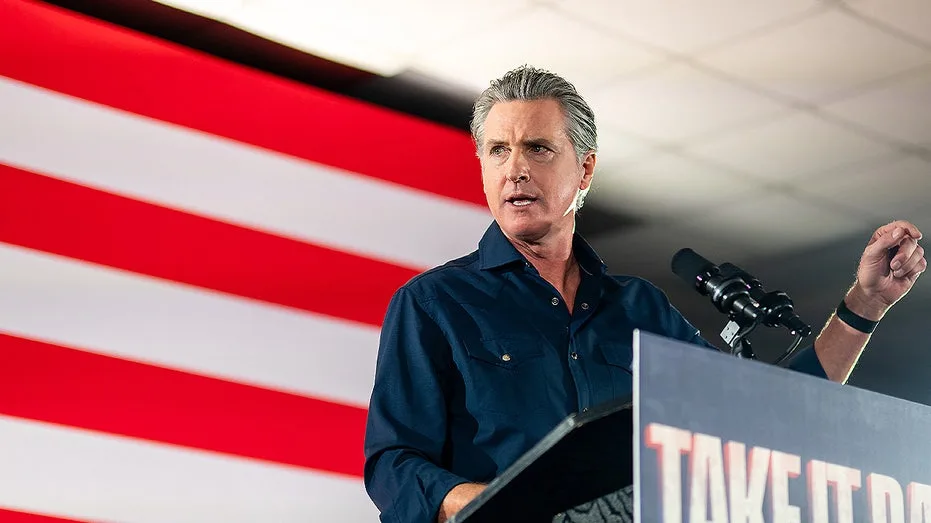
California Governor Gavin Newsom Sets Early 2024 Deadline for 2028 Presidential Bid Decision
California Governor Gavin Newsom announced he plans to decide on a potential 2028 presidential campaign by early January. The Democratic leader discussed his timeline while attending a UN climate conference, emphasizing
Nov 13
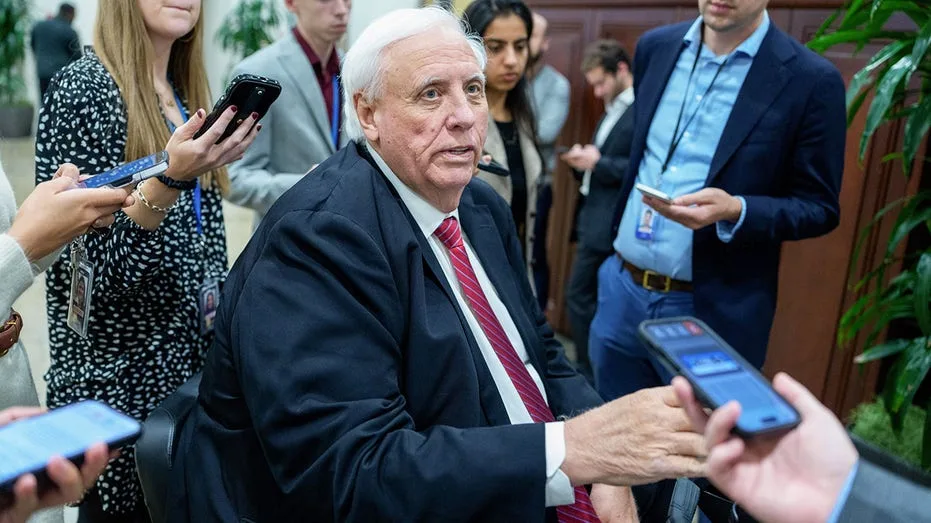
Republican Senator Warns Party to 'Forget 2028' After Midterm Setbacks and Leadership Criticism
Senator Jim Justice (R-WV) stated the GOP should "forget" about securing a Senate majority in 2028, reflecting deep concerns after Democrats' stronger-than-expected midterm performance. Other Republicans emphasized the
Nov 12

Trump Differentiates Deportation Focus, Citing Less Pressure on Farm Workers and Hotel Staff
Former President Donald Trump elaborated on his administration's immigration enforcement priorities, indicating that the focus was primarily on individuals involved in serious crimes rather than on undocumented workers
Nov 10