NYC Mayor Mamdani Unveils Antisemitism Plan Amid Debate Over Definition and Israel Recognition
New York City's mayor introduced a multi-million dollar strategy to counter antisemitism, sparking criticism for not defining the term or acknowledging Israel.
Politics·
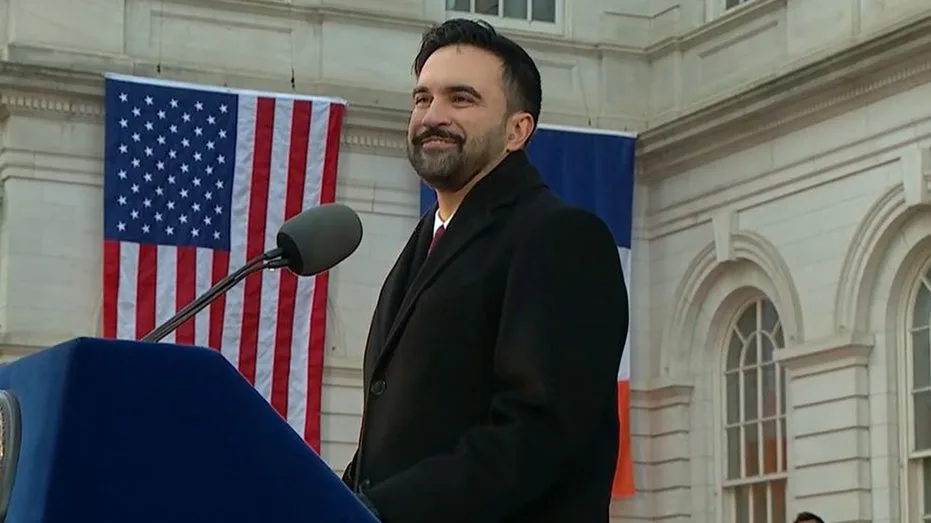
New York City Mayor Zohran Mamdani on Tuesday revealed a comprehensive strategy aimed at combating antisemitism across the five boroughs. The announcement, however, immediately drew scrutiny due to the plan's deliberate omission of a formal definition for antisemitism and its lack of explicit recognition for the State of Israel.
The unveiling of the "Interagency Task Force to Combat Antisemitism" places renewed attention on Mayor Mamdani, who is the city's first Muslim mayor. His administration has faced allegations of insufficient support for the Jewish community amid a documented increase in hate crimes targeting Jewish residents.
Mayor Mamdani's Stance and Commitment
In a detailed strategy document, Mayor Mamdani articulated his administration's commitment to ensuring the safety and peace of Jewish New Yorkers.
My administration has a responsibility to ensure New York City remains a place where Jewish New Yorkers can live their lives peacefully and safely, where they can walk down the street, enter their houses of worship and build their lives knowing that this city will stand with them. But too many Jewish New Yorkers have told me that they are no longer certain that promise can be taken for granted.
He characterized the new initiative as a foundational step in broader efforts to safeguard the Jewish community.
We will fight antisemitism with urgency and resolve. And we will do so in relentless solidarity with the many communities who also know what it means to be targeted, marginalized or made to question their safety. This Strategy is neither the beginning nor the end of this work. But it is an important milestone: a clear commitment from New York City government and a roadmap for the meaningful work ahead.
Rising Hate Crimes in New York City
Official data from the New York City Police Department (NYPD) for 2026 indicates that antisemitic acts constitute the largest category of hate crimes recorded in the city, representing approximately 9% of all such incidents. Over the first eight months of 2026, the city has experienced a 16% increase in reported hate crimes compared to the previous year.
Specifically, incidents targeting Jewish individuals reached 181, with 131 classified as felony offenses. In comparison, reported hate crimes against individuals in the "homosexual" category totaled 29, while those against Muslims accounted for 21 incidents.
The Debate Over Definition and Recognition
A central point of contention within the administration's strategy document is its approach to defining antisemitism. The document acknowledges the existence of numerous "useful" definitions but explicitly states that the Mamdani administration will not formally adopt any of them.
The framework justifies this decision, asserting:
New York City can and will leverage all of the tools at its disposal to combat antisemitism effectively without needing to adopt a definition for this specific form of hate. Federal hate crimes statutes — which criminalize conduct motivated by bias against protected characteristics, such as race, national origin and religion — do not adopt a standalone definition of discrimination.
Furthermore, the plan notably refrains from formally recognizing the State of Israel.
Financial Commitments and Operational Structure
In practical terms, the new proposal outlines a significant financial commitment to combating hate crimes, increasing annual funding from $3 million to $29 million. It also establishes new avenues for collaboration among key agencies, including the NYPD, the Office for Prevention of Hate Crimes, and the Commission on Human Rights.
The plan allocates specific funds for cultural and memorial initiatives, dedicating $2 million to the Queens Holocaust memorial and an additional $2.5 million to the Center for New Jewish Culture located in Brooklyn.
Community Backlash and Criticisms
Despite the mayor's stated intentions, the strategy has provoked strong criticism from some Jewish New Yorkers.
Moshe Spern, President of United Jewish Teachers, expressed his disappointment in an interview with a local publication, stating he had previously engaged with the Mayor’s Office to Combat Antisemitism.
I sat with the Mayor’s Office to Combat Antisemitism in July and told them what Jewish teachers and families need: a definition of the hate, an honest reckoning with anti-Zionism, and real security for synagogues and schools. What the mayor announced today does none of that. Quoting the Talmud while refusing to name Zionism and putting $1 million in security across every house of worship in New York City is not a strategy. It is a disappointment.
Moshe Davis, the Executive Director of the Mayor’s Office to Combat Antisemitism, while acknowledging certain proposals had been utilized, also voiced concerns to the same publication.
It seems to make a conscious effort to erase the connection between the violence against Jews we are seeing in our city and the anti-Israel propaganda clearly fueling it. A report on antisemitism that ignores what is driving much of the hate and violence against Jews is tone-deaf and dangerous.
Related Stories

President Trump's Asia Trip Kicks Off with Unexpected Alaska Refueling Diversion
President Donald Trump's diplomatic journey to Asia began with an unexpected detour to Alaska for refueling, caused by adverse weather. The four-day trip included high-level meetings and discussions on economic and
Nov 16
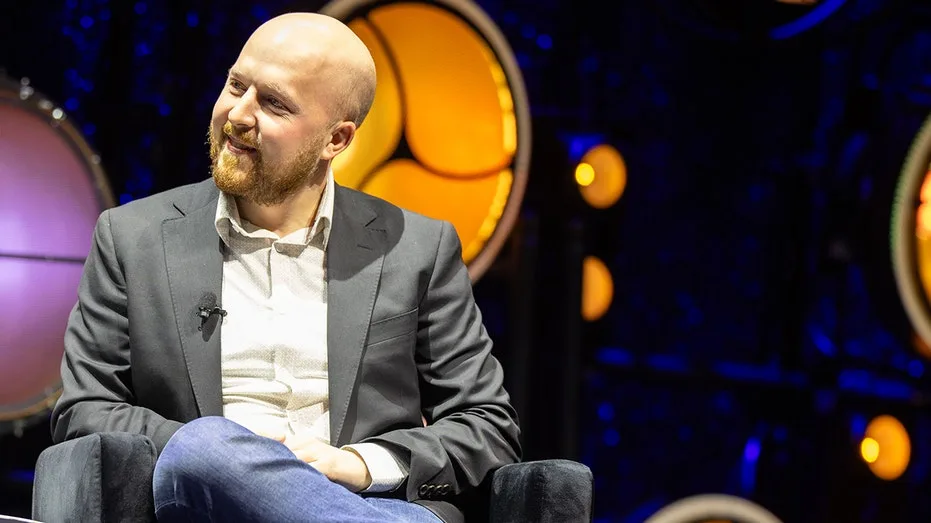
Democrat Jonathan Kreiss-Tomkins Secures Alaska Governorship Amidst GOP Divisions
Democrat Jonathan Kreiss-Tomkins won Alaska's gubernatorial election, ending a long Republican hold. His victory followed significant GOP infighting, including a Trump-backed contender, under the state's unique
Nov 14
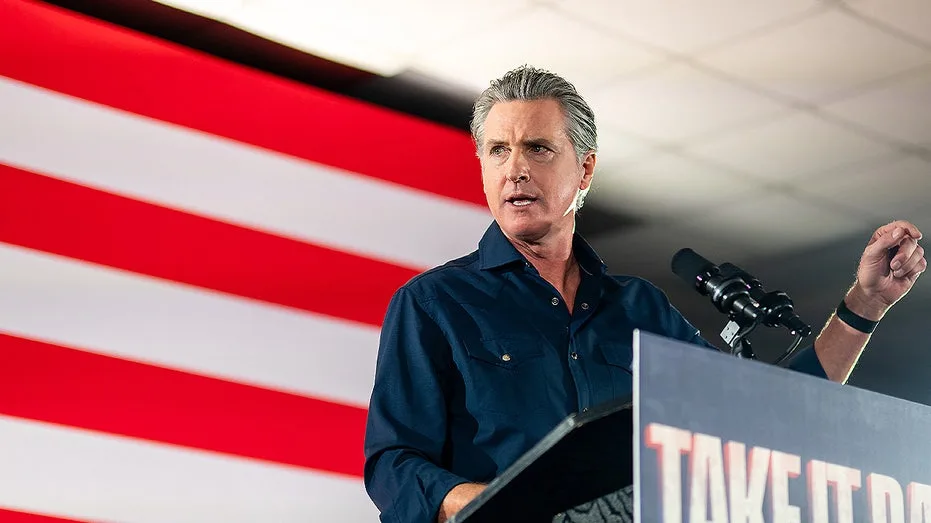
California Governor Gavin Newsom Sets Early 2024 Deadline for 2028 Presidential Bid Decision
California Governor Gavin Newsom announced he plans to decide on a potential 2028 presidential campaign by early January. The Democratic leader discussed his timeline while attending a UN climate conference, emphasizing
Nov 13
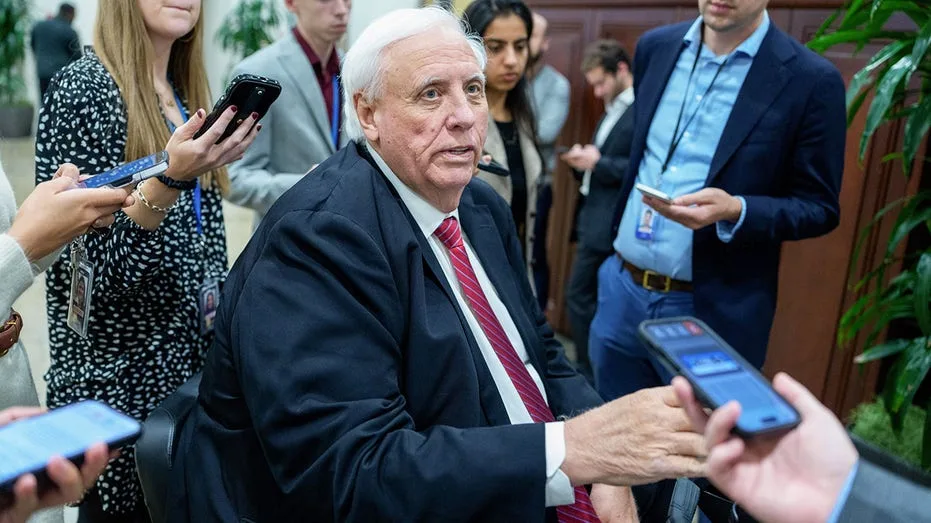
Republican Senator Warns Party to 'Forget 2028' After Midterm Setbacks and Leadership Criticism
Senator Jim Justice (R-WV) stated the GOP should "forget" about securing a Senate majority in 2028, reflecting deep concerns after Democrats' stronger-than-expected midterm performance. Other Republicans emphasized the
Nov 12