New York City's business community, including numerous bodega owners, recently voiced strong opposition to a proposed plan for city-operated grocery stores. Leaders gathered just steps from a future site, contending that the initiative could force many existing local businesses to close their doors.
Legal Challenges Mount
The Multicultural Business Coalition, an alliance comprising 50 chambers of commerce that represent diverse enterprises, initiated legal action this week. The coalition filed two separate lawsuits in state court on Monday, directly challenging the proposal to establish five government-owned supermarkets offering subsidized food items.
On Wednesday, representatives from the coalition, joined by local bodega owners, rallied outside the American Deli Mini Market Corp in Harlem. This location is strategically situated directly across from La Marqueta, the confirmed Manhattan site for one of the city-run stores. The protest aimed to contest the rollout of these new stores, which is currently slated to commence in late 2027.
One of the two legal complaints is a seven-page class-action lawsuit brought on behalf of "hundreds" of store owners. It alleges that the introduction of city-operated grocery stores would infringe upon the civil rights of these businesses, according to court documents.
"When government funds are used in a discriminatory manner, it can constitute a civil rights violation," Jaffe stated. He added, "It is regrettable that the administration has not collaborated with small businesses but instead appears to be acting to their detriment, showing a lack of empathy in its approach."
The second lawsuit seeks a permanent injunction against the operation of these municipal grocery stores, arguing that such a move should not proceed "in absence of undertaking necessary studies and analysis." This legal strategy has historically been employed to prevent large retailers, such as Walmart, from establishing a presence in New York City.
Concerns Over Economic Impact
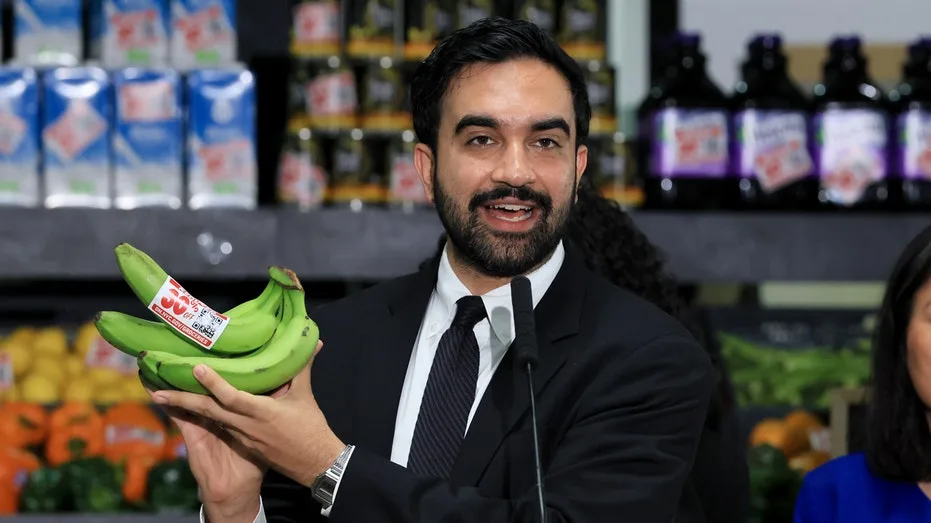
Under Mayor Zohran Mamdani's plan, the five new grocery stores are intended to offer a core selection of products priced 30% below the average retail prices found at other businesses. An April news release outlined the operational model: "Under the model, the City will own the land and cover overhead costs like rent and construction. A private operator, selected through a request for proposals, will manage daily operations and be contractually required to pass savings directly to customers on a core basket of everyday staples."
However, critics argue that the pricing structure and the subsidization of operational expenses for these city-run stores grant them an unfair competitive advantage.
"The ultimate goal should be to assist small business owners, not simply subsidize a 30% discount from suppliers who are not reducing their prices for the city," Jaffe elaborated. "Our tax dollars are purchasing groceries at full price, only for them to be sold at a 30% discount down the street – this approach will not adequately support struggling individuals."
Jaffe suggested that a potential solution could involve forming a task force dedicated to mitigating adverse effects on local businesses in the vicinity of each new store.
Separately, Mayor Mamdani's office announced the launch of an OPEN Task Force, designed to "identify and eliminate unnecessary red tape and reduce fines and fees for small businesses."
The sentiment regarding the potential impact on local businesses was echoed by Elvis, the owner of American Deli Mini Market Corp, who was identified solely by his first name. Speaking through a translator at the press conference, Elvis stated, "If [the city opens this store] in front of [my] business, [I’m] going to go out of business. [I] pay a lot of taxes and this is not fair."
Differing Visions for Community Support
Mayor Mamdani has consistently defended the initiative for government-run grocery stores. On Monday, he expressed being "fully confident in both the legality and the importance of our initiative."
Conversely, Jaffe firmly maintains that the introduction of these city-run, subsidized stores will ultimately cause more harm than good to existing businesses and could ultimately displace minority entrepreneurs from New York City.
"It is destined to fail. History demonstrates that communist supermarkets often feature empty shelves," Jaffe asserted. "We possess superior methods to assist those in need of food. We urge the city to listen and avoid implementing campaign promises that will adversely affect people."