Fetal Tissue Supplier Charged $765 Per Organ, Cautioned Against Language Implying Illegal Sales
Internal records reveal a fetal tissue provider billed a UCLA research operation a flat fee per specimen while internally warning against terminology that could suggest unlawful sales of human tissue.
U.S.·
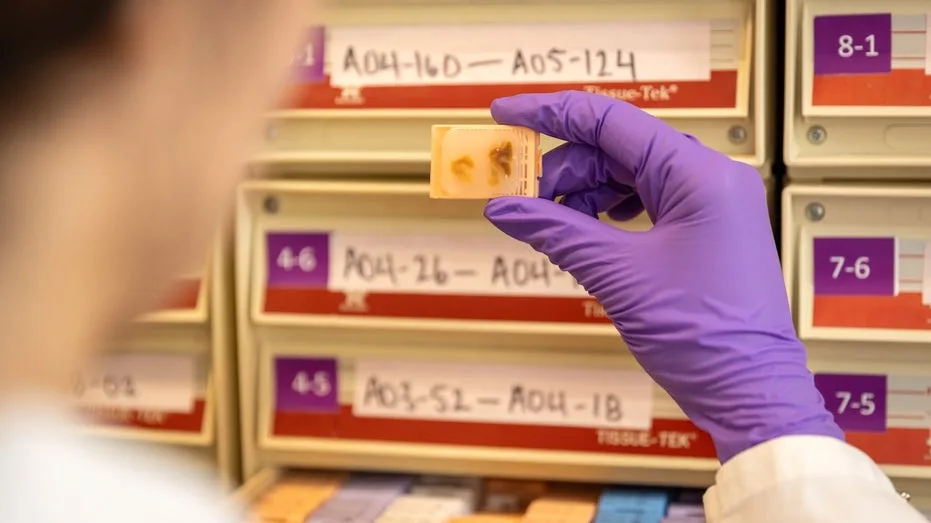
Recently uncovered public records indicate that Cercle Allocation Services charged a research unit at UCLA a procurement service fee of $765 for each individual liver and thymus specimen. Concurrently, the company internally communicated concerns that specific billing terminology might incorrectly imply the actual sale of the tissue.
These documents, acquired from UCLA through a California Public Records Act request submitted on behalf of David Daleiden, founder of the Center for Medical Progress (CMP), include purchase orders and email exchanges between the university and Cercle Allocation Services.
An internal UCLA order form identifies the purchasing entity as part of the David Geffen School of Medicine’s Division of Hematology-Oncology, referencing the “Mouse Core.” UCLA chose to redact the names and other identifying details of researchers from these records.
One UCLA purchase order details seven distinct liver and thymus specimens, each assigned a unit cost of $765, totaling $5,355. Another document lists five specimens dated August 18, 2023, also at $765 each, amounting to $3,825. Additional purchase orders reflect this consistent per-specimen charge.
Concerns Over Billing Terminology
Cercle raised objections regarding the tax treatment on these purchase orders, requesting UCLA to re-issue them. The company informed the university that the charges were for procurement services, not for taxable items, and therefore sales tax should not be applied. Cercle explicitly stated that using tax-related language could misleadingly suggest the specimens themselves were being sold.
Cercle is known to supply human fetal tissue for biomedical research. Peer-reviewed scientific literature has previously cited the company as a provider of human fetal liver tissue to researchers, corroborating the nature of the procurement business described by CMP.
While the records do not conclusively prove any payments were illegal—Cercle consistently characterized the funds as fees for services rather than payment for the tissue itself—the correspondence highlights the company's significant concern over the precise wording used to describe these payments.
“The overriding issue is the use of terminology that we must not use due to their improper implication that we are selling taxable items, which we are not,” a Cercle accounts manager wrote in September 2023. “Due to the nature of our business, we must be very careful and clear that we invoice fees for our procurement services.”
The same email further explained that references to sales tax would imply Cercle was “selling the items received,” which the company emphasized were “illegal to sell.” Cercle instructed UCLA that purchase orders should instead authorize payment for its services, while linking individual sample numbers and dates to the $765 unit amount.
Following Cercle’s objections to the tax terminology, UCLA subsequently prepared revised purchase orders, as indicated by the correspondence.
One email from Cercle noted that a July invoice totaling $5,355 for procurements on three separate dates had already been “processed and paid.” The company also requested UCLA to replace other existing purchase orders containing tax language, including one covering five procurements from August 18, valued collectively at $3,825.
Legal Framework and Daleiden's Questions
Federal law prohibits the knowing acquisition, reception, or transfer of human fetal tissue for “valuable consideration” if it affects interstate commerce. However, it allows for “reasonable payments” related to transportation, implantation, processing, preservation, quality control, or storage.
Daleiden contends that these documents raise significant questions about whether the consistent $765 charges truly represent permissible reimbursement for procurement-related costs.
Daleiden also pointed out that UCLA did not provide Cercle’s invoices in response to his public records request.
The May 2025 request specifically sought original and recent materials associated with UCLA IRB No. 11-002504, as well as records and communications from 2023 onward between authors of a specified UCLA study and either Advanced Bioscience Resources or Cercle. The request encompassed various records, including emails, text messages, notes, and fetal tissue logs.
UCLA later confirmed that its departments had completed their search and that the production of records in September 2026 constituted the final batch of non-exempt responsive documents. The university stated it redacted certain researcher identities due to concerns about potential threats and harassment associated with sensitive research.
Ongoing Relationship and Prior Investigations
Records further indicate that the relationship between UCLA and Cercle continued into 2025. A February 2025 Cercle ticket involving UCLA was titled “Liver and brain.” Cercle responded on March 3 that it had been “unable to fulfill your request today” and subsequently canceled the ticket. The records do not specify whether the requested tissue was fetal or confirm if any brain tissue was ultimately procured or transferred.
David Daleiden has dedicated years to investigating fetal tissue procurement, notably after CMP released undercover videos involving officials from Planned Parenthood in 2015. His recording activities later became the subject of a criminal case in California.
The investigation into Daleiden was initiated by Kamala Harris’ office when she served as California Attorney General. Charges were subsequently filed under Attorney General Xavier Becerra. In April 2026, a California judge dismissed the final charge and ordered the case expunged.
Related Stories
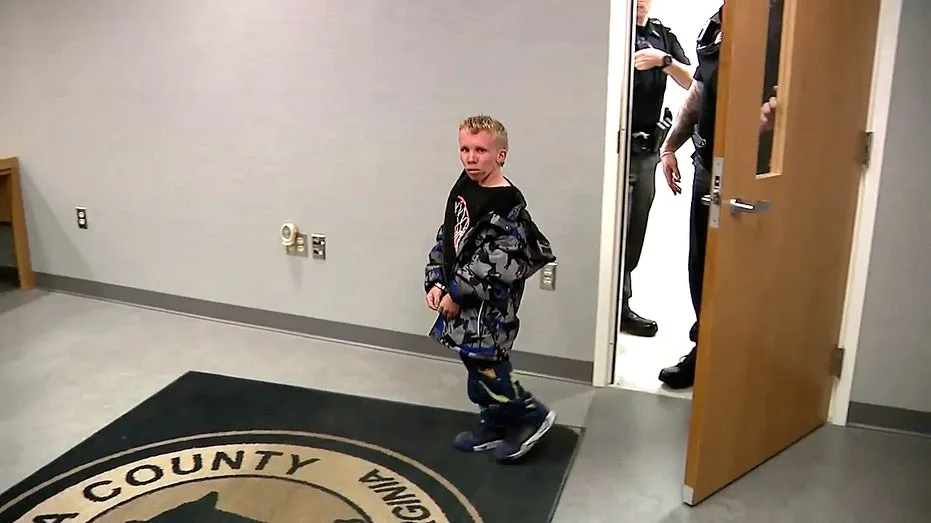
TikTok Personalities Face Arson Charges After West Virginia House Fire, Church Damaged
A TikTok couple, Dakota Harper and Felicity Eatmon, have been charged with arson after an abandoned West Virginia home caught fire, potentially causing over $10,000 in damage to an adjacent church. The pair, known for
Oct 1
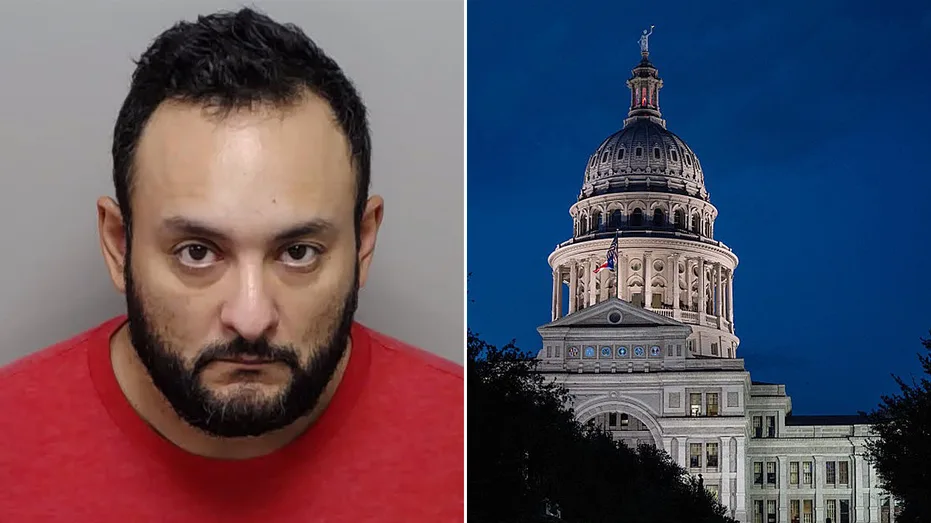
Man Arrested Following Alleged Plot to Attack Texas Capitol
A Texas man has been taken into custody in connection with an alleged scheme to attack the state Capitol. Law enforcement acted swiftly after receiving credible information about a planned violent assault, leading to
Oct 1

Georgia Student Miraculously Survives Eight-Story Apartment Fall
A Georgia college student miraculously survived an eight-story fall from her apartment window in Athens. Witnesses reported she was dancing near an open window when she fell. Investigators believe a metal bench on the
Oct 1
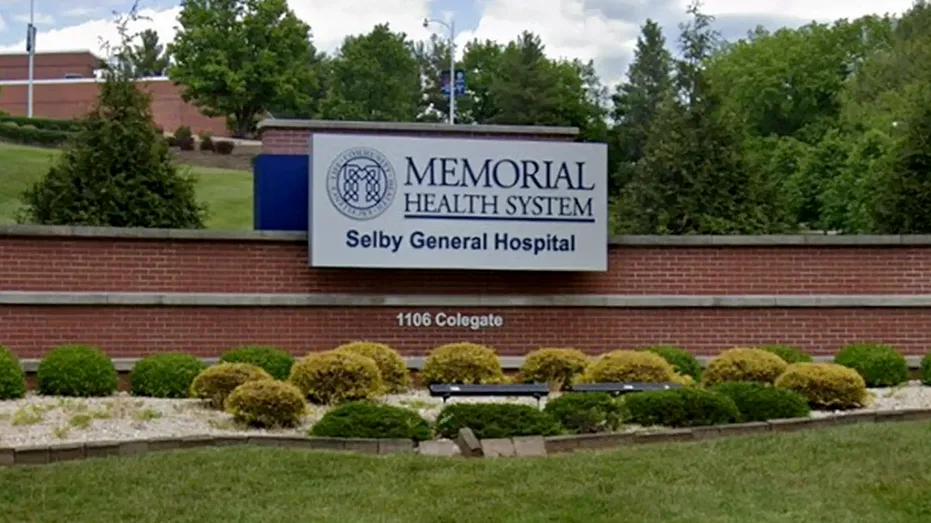
Ohio Woman Files Lawsuit Alleging Surgeon Amputated Wrong Leg, Leading to Double Amputation
Sharon Jacks has initiated a lawsuit against Selby General Hospital and its surgical staff in Ohio, claiming her left leg was mistakenly amputated instead of her cancerous right leg. The error led to both legs being
Sep 30