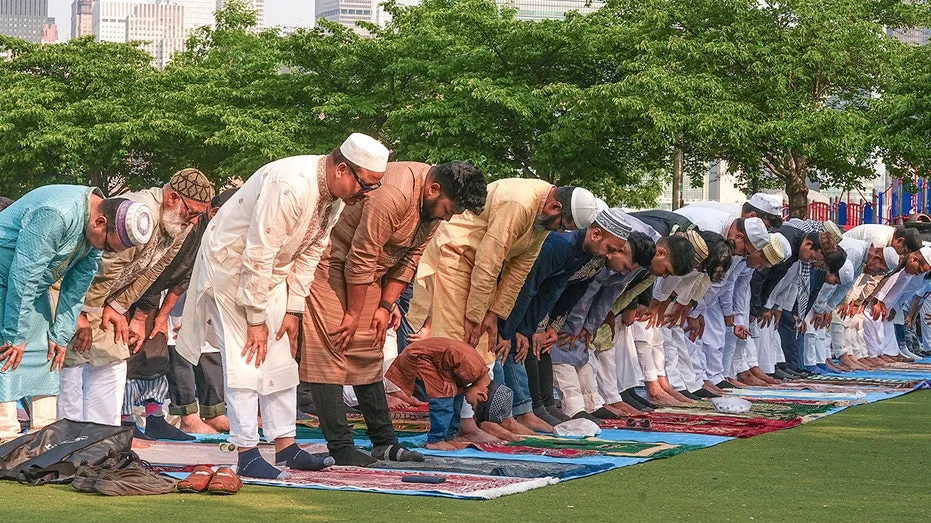
California Governor Gavin Newsom has officially designated Eid al-Fitr and Eid al-Adha as state holidays, signing Assembly Bill 2017 into law on Sunday. This action positions California as the second state in the nation to formally recognize these significant Muslim observances statewide.
The newly enacted legislation adds both Eid al-Fitr and Eid al-Adha to California's roster of state holidays. This change means that public schools and colleges will now have the option to close in observance of these days, and state employees will be eligible to observe them. However, the bill specifies that schools and businesses are not mandated to close, and judicial operations are required to continue without interruption.
With the passage of AB 2017, California joins Washington state as the only two states in the country to have enacted statewide legislation acknowledging these Muslim holidays.
Legislative Context and Other Religious Observances
Before signing AB 2017, Governor Newsom had also been presented with several other legislative proposals designed to provide accommodations and protections for various religious observances, including Jewish holidays such as Rosh Hashanah and Yom Kippur.
One such bill, Assembly Bill 395, which reached the governor's desk days prior to AB 2017, sought to formalize these Jewish holidays, among others, within state law. It would also require state agencies and public institutions like schools to "make every reasonable effort" to avoid scheduling important events or functions on those specific days.
Another related piece of legislation, Assembly Bill 1763, aimed to ensure that K-12 students would be granted excused absences for religious holidays.
While AB 395 and AB 1763 were introduced and presented to the governor ahead of AB 2017, Governor Newsom did not sign these additional bills into law until Wednesday, just before the midnight deadline for legislative action.
Reactions and Perspectives
The sequence of bill signings drew criticism from some Republican opponents, who suggested that Governor Newsom appeared to prioritize legislation recognizing Muslim holidays over measures intended to ensure equitable treatment for Jewish holidays.
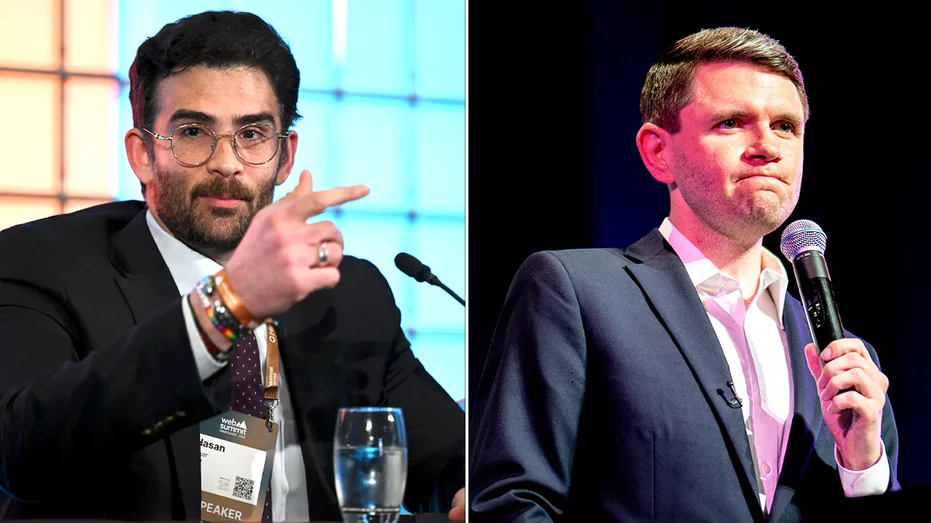
Elizabeth Barcohana, chair of Jewish engagement for the California Republican Party, commented on the timing, stating,
"The fact that Newsom chose to sign the Eid law before the law that protected other religious observance speaks volumes about the direction he is moving as he eyes a 2028 run for the presidency."
Barcohana also expressed concerns that these new laws could grant Muslim holidays additional privileges not extended to other religious groups, potentially including the closure of public schools.
She elaborated on her worries:
"People may think this is alarmist, but this is an example of American laws adopting a Sharia law framework. Special protections no other religious observance receives, the option to shut down public institutions to observe the holiday that, until now, only Christian holidays received and curriculum in public schools that is religious in nature notably about a religion that emphasizes conversion."
Conversely, David Bocarsly, CEO of Jewish California, offered his support for Governor Newsom's actions. He indicated that he was not concerned by the order in which the bills were signed, given that all three eventually became law.
Bocarsly's organization also lauded Governor Newsom for signing Senate Bill 1387, which formally acknowledges Jewish identity as an ethnicity.