Brian Grazer Advocates for Universal Themes in Film, Rejecting Political Divides in Hollywood
Acclaimed producer Brian Grazer shared his philosophy on crafting unifying narratives at a recent festival, alongside fellow filmmakers.
Media·
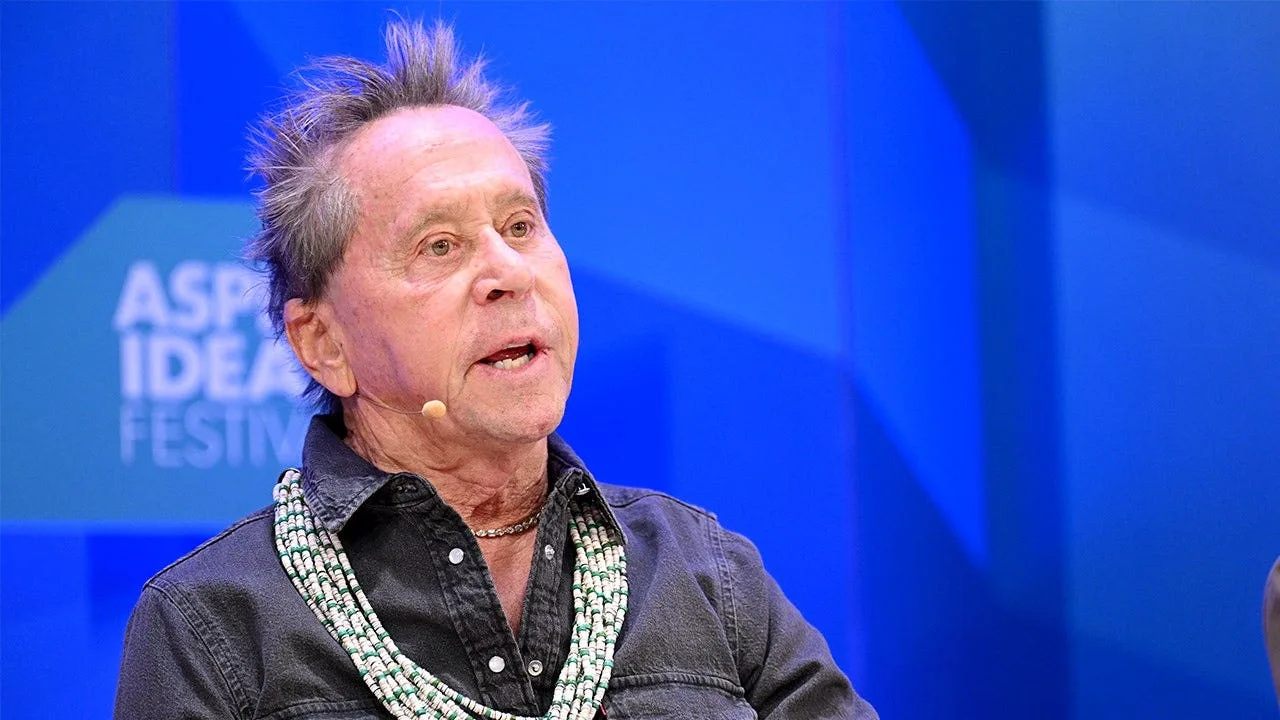
During a recent appearance in Aspen, Colorado, Academy Award-winning producer Brian Grazer articulated his distinctive creative philosophy regarding film and television production.
Grazer, known for a prolific career spanning nearly 270 producing credits including celebrated works like "Apollo 13," "A Beautiful Mind," "Arrested Development," and "24," participated in a discussion titled "Building Bridges at the Box Office" at the Aspen Institute's Ideas Festival. He was joined by Christina Voros, director and cinematographer for "Yellowstone," and Oscar-winning documentary filmmaker Joshua Seftel.
Grazer's Approach to Storytelling
Grazer firmly stated his intention to keep political stances out of his work.
"None of my stories are left or right. I'm not political in any of my movies," he explained. He cited "Frost/Nixon" as an example, describing it purely as "an account of an event," rather than a political statement. His core objective, he noted, is "only about working on universal themes to create unity with other people, so we demystify other people, other people's problems."
When moderator Steven Olikara of Bridge Entertainment Labs questioned whether Hollywood still embraced "curiosity" amid a perceived rejection of viewpoint diversity, Grazer paused before responding with a grin, "Sure. I mean, some people are," prompting laughter from the audience.
He elaborated on the challenges facing artists today, highlighting significant shifts in Hollywood's financial structure over the past four years.
"The mechanics of the business of Hollywood has changed so significantly in the last four years, it could cause artists to be disincentivized," Grazer remarked. He described the current compensation model as largely "socialistic," where "everybody gets paid, you know, you get a streaming price." This system, he argued, diminishes the incentive for artists to fully commit, take risks, and potentially achieve extraordinary success or face significant failure. "That's what artists can do," he emphasized, referring to the potential for massive gains or losses.
Grazer connected curiosity to basic human interaction, stating, "curiosity really always, to me, was, at the very minimum, just being polite to human beings." He advocated for genuine engagement:
"If you're interested in other people. And you ask — you start — you don't look at your phone, you start talking, and you enable the other person to communicate back to you, they usually will, and you usually create a human moment. It becomes memorable, at least for the day."
Addressing the upcoming 250th anniversary of the United States, Grazer stressed that the concept of the "American dream" should remain above political fray.
"Be grateful to America, be kind to America. I think that's what would be really nice if that lived in the fabric of our culture," he proposed.
Fostering Empathy Through Narrative
Christina Voros shared her personal journey, moving from a self-described "Brooklyn liberal" background to a small town in West Texas for her work on productions like "Yellowstone." Her experience challenged initial "preconceived notions" through direct interactions with local residents.
Voros cautioned against the dangers of informational "echo chambers," regardless of one's location or beliefs.
"I think we as a culture need to be careful of the filters through which we are guided to perceive this country and the stories of this country, because you can get into an echo chamber pretty quickly," she advised. She highlighted storytelling's power to "crack the wall open a little bit and let the light come in," describing it as one of its most crucial functions.
She further emphasized the importance of narrative subtlety, advising filmmakers to "leave space for the audience to fill in some of the soul of it themselves." Voros believes that overtly dictating audience emotions can lead to rejection:
"If you tell someone exactly how they're supposed to feel, it's very easy for them to reject that conversation creatively at all." She concluded, "You need to leave that space in stories, so people can make those stories their own and draw strength or hope or curiosity from them."
Voros urged audiences to approach stories with an open mind:
"I hope as an audience, we remind ourselves to seek out, which is to not carry our assumptions into every story that is brought to us, and to try and leave a little space to learn something."
Echoing these sentiments, Joshua Seftel expressed a straightforward goal for his work:
"It's not that hard to tell stories that help us understand each other. And I just hope we can keep doing that," he concluded, emphasizing a desire for mutual comprehension.
Related Stories
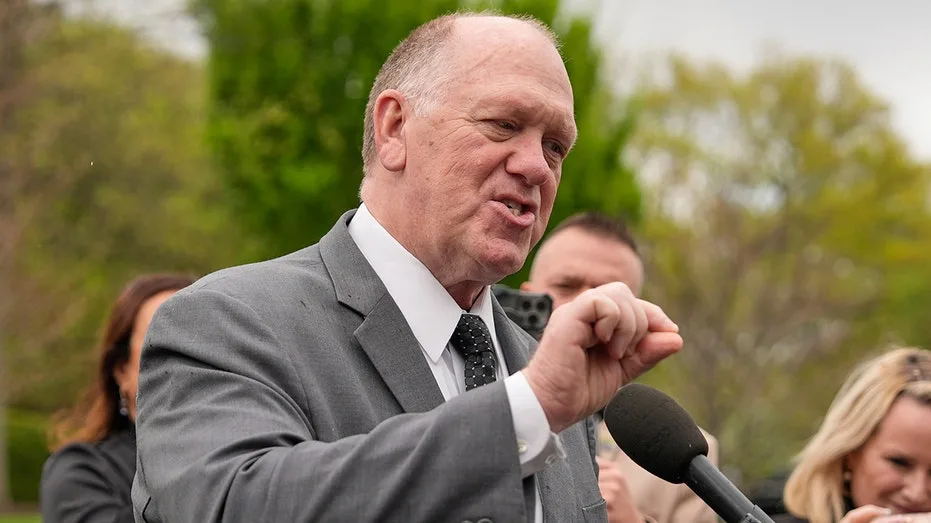
Former Border Official Tom Homan Challenges Interviewer on Migrant Death Data, Accuses of 'Loaded Question'
Former immigration enforcement chief Tom Homan recently confronted a journalist about the lack of data on migrant deaths in custody during the Biden administration. Homan asserted that questions about detention
Oct 5
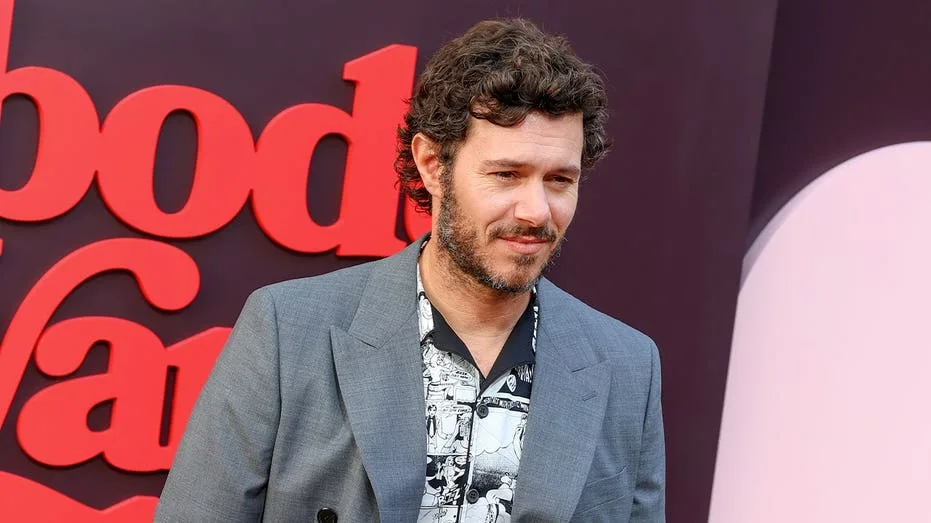
Rabbi Consultant on Netflix Series Criticizes Adam Brody's "Genocide" Comments on Gaza
Adam Brody, star of Netflix's "Nobody Wants This," drew criticism from Rabbi Steve Leder after describing events in Gaza as "genocide" in an interview. Leder, a show consultant, argued Brody's use of the term was
Oct 5
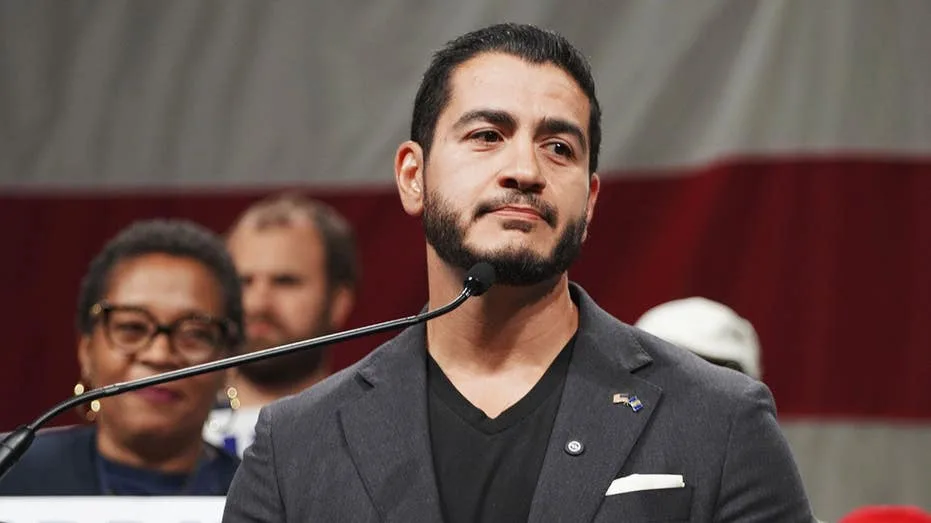
Michigan Senate Hopeful Abdul El-Sayed Defends Soros Ties While Criticizing Corporate Funding
Michigan Democratic Senate nominee Abdul El-Sayed recently clarified his campaign's funding practices. While criticizing corporate influence in politics, he defended accepting support from wealthy individuals, including
Oct 5
Phil Collins Calls Donald Trump "Nasty," Teases Unwritten Song About America
British rock legend Phil Collins recently expressed his critical views on Donald Trump's "unattractive" conduct, labeling him "nasty." Collins also disclosed an unwritten song concept titled "Fat People With Guns,"
Oct 5