The release of the Week 4 AP Top 25 Poll on Sunday brought with it the usual mix of anticipation and, for many college football observers, a renewed sense of bewilderment. The latest rankings have once again highlighted long-standing concerns regarding the influence of preseason expectations and perceived conference strength, particularly concerning the Southeastern Conference (SEC).
Significant Climbers
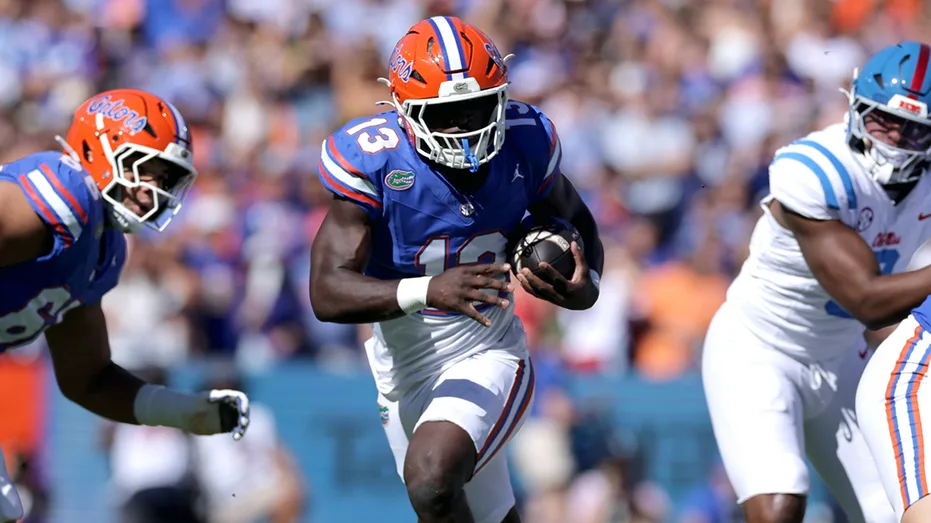
Several teams made substantial leaps in the latest poll. The Florida Gators, following a dominant 52-28 victory against the Ole Miss Rebels, were among the most notable risers. Their performance, which included accumulating over 300 rushing yards, forcing two turnovers, and effectively neutralizing the potent Ole Miss offense led by Trinidad Chambliss, propelled them 13 positions higher to No. 8, placing them one spot above the Rebels.
The Oklahoma State Cowboys also saw a significant ascent, climbing 11 places to No. 19. Their earlier triumph over the Oregon Ducks gained additional prestige after Oklahoma's subsequent victory against USC. UCLA made an impressive jump of 14 spots, entering the Top 25 at No. 23 following their decisive 54-3 defeat of the Maryland Terrapins. The Mississippi State Bulldogs emerged as another unexpected team to watch in Week 4, securing a win against Missouri and advancing eight positions to No. 16.
The Missouri Anomaly
The case of Missouri, however, illustrates a recurring critique leveled against the AP Poll: the influence of preseason expectations and inherent biases among voters. Despite starting the season at No. 25 in the preseason poll, the Tigers' initial three weeks offered little in the way of standout performances. Their victories included a 54-21 win over Arkansas-Pine Bluff, a 38-21 win against a struggling Kansas squad, and a notably narrow 27-17 triumph over a significantly weaker Troy team. Despite this unconvincing start, Missouri inexplicably rose to No. 19 before their 31-24 loss to the Bulldogs. Following this defeat, and after what many perceive as an unimpressive start to the season overall, Missouri finds itself back at No. 25 in the Week 4 poll. This scenario frequently draws criticism from fans and analysts outside the SEC, who point to it as an example of a team maintaining its ranking despite mediocre play and a loss, thereby inflating conference 'ranked matchups' and 'ranked wins.' It's worth noting that Missouri has not defeated an SEC opponent that concluded its season with a winning record since 2024, with their wins that year coming against 7-6 Arkansas and 7-6 Vanderbilt.
Other Perplexing Shifts
Other movements in the poll have also raised eyebrows. Kentucky advanced three places to No. 24, even as the perceived strength of their victory over Texas A&M diminished significantly, with the Aggies now appearing closer to a top 50 team than a top 25 contender. Nonetheless, Missouri's continued presence in the rankings adds considerable value, as it designates their upcoming contest against Florida as another 'ranked matchup' within the SEC. In stark contrast, Iowa, which secured an upset victory over Michigan with a dramatic last-second touchdown, only climbed three positions. Michigan, consequently, plummeted from No. 18 to unranked. Similarly, Penn State fell from No. 13 to completely out of the rankings after suffering a loss to Wisconsin, a game decided by a remarkable late touchdown pass in Happy Valley. USC also dropped six spots after their defeat to Oregon.
Nebraska remains unranked, largely attributed to their absence from the preseason poll, despite advanced metric systems placing the Cornhuskers as high as No. 16 based on their on-field performance. Meanwhile, Wake Forest, having defeated No. 16 Louisville on the road and with their sole loss coming against a top-five Miami squad, is conspicuously absent from the rankings, while Missouri retains a spot. Critics argue that these discrepancies highlight a lack of logical consistency, suggesting that the poll's outcomes are often an arbitrary combination of subjective 'eye tests,' initial preseason projections, conference allegiances, stadium size, and media focus.
The Broader Implications
While some may argue that the AP Poll ultimately holds little bearing on a team's ultimate fate, its influence is undeniable. These rankings frequently serve as foundational data for the College Football Playoff selection committee's discussions, providing justification for arguments concerning 'strength of schedule,' 'strength of conference,' and 'resume wins.' For instance, Texas A&M, despite being ranked No. 39 in many computer-based metrics—just one position above UCF—will still be considered a 'ranked win' for teams like Kentucky and LSU simply because preseason polls projected them to be strong contenders. This occurs even when their current performance suggests otherwise.
As Week 5 approaches with a packed schedule of significant matchups, it is highly probable that the AP Poll will continue to generate further debate and unexpected outcomes, upholding what has become a peculiar but enduring tradition in college football.